
Windows That Stop Drafts and Condensation
Window Installation and Replacement in Grand Rapids for homes losing heat through single-pane glass and deteriorated seals
Condensation between glass panes indicates that your window seals have failed, allowing humid air to enter the space where desiccant materials once kept the cavity dry and maintained insulating properties. Frost forming on interior glass surfaces during cold mornings shows that single-pane or poorly sealed windows transfer outdoor temperatures directly into living spaces, forcing heating systems to run longer cycles to maintain comfort. EZPZ Exteriors replaces windows across Grand Rapids when these visible failures appear, installing units with low-emissivity coatings and gas fills that reduce thermal transfer through glass surfaces that account for significant heat loss in Michigan homes.
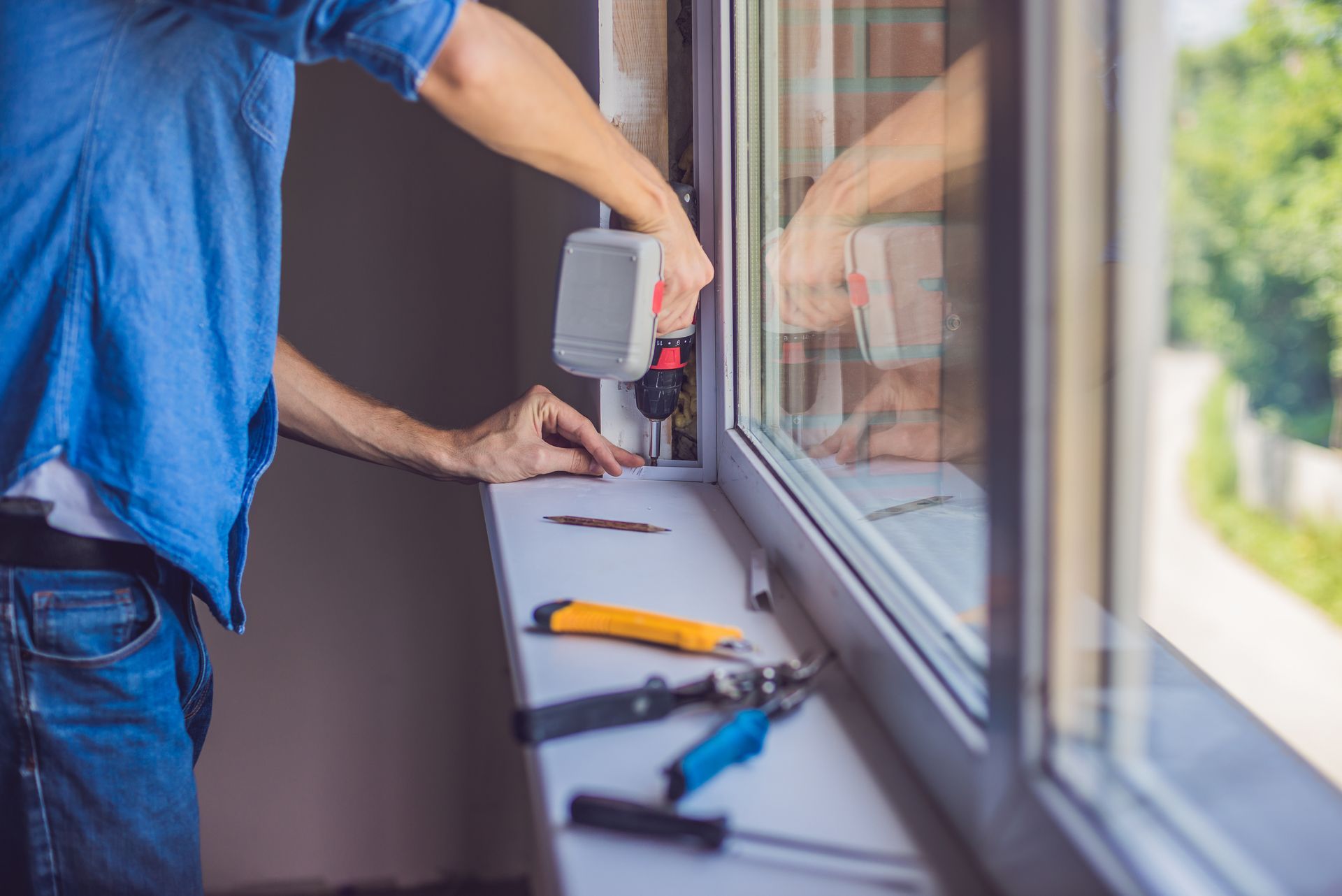
Installation involves removing interior stops and exterior trim to access the window frame, then extracting the old unit without damaging surrounding siding or interior finishes. New windows mount into the existing opening with shims that ensure level and plumb alignment, while expanding foam insulation fills gaps between the frame and rough opening to block air infiltration that undermines thermal performance.
Request a detailed estimate based on your current window count and the specific performance improvements you need for comfort and efficiency.
Why Proper Window Installation Works for Energy Loss
The frame gets shimmed at multiple points to prevent bowing that would stress the glass or create gaps in weatherstripping, then fastened through the jamb into structural framing rather than relying on trim alone to hold the unit in place. Flashing tape applied to the exterior frame integrates with the weather barrier behind siding, creating a continuous water-shedding surface that prevents moisture from reaching sheathing when wind-driven rain hits the window face.
After replacement, you'll notice that curtains stop moving when the furnace runs because air no longer leaks around window perimeters, and interior glass surfaces stay warm enough during winter that condensation no longer forms even when indoor humidity reaches comfortable levels. Outdoor noise diminishes noticeably because dual-pane construction with gas fills blocks sound transmission more effectively than single glazing, and rooms near sun-facing windows stay cooler in summer because low-emissivity coatings reflect infrared heat while admitting visible light.
The installation includes interior and exterior trim replacement or refinishing to match existing woodwork, along with new weatherstripping that compresses evenly when sashes close to form continuous seals. Operating hardware receives adjustment to balance ease of use with secure locking that presses sashes firmly against weatherstripping rather than leaving gaps that allow air movement.
What Property Owners Usually Ask
Questions about window projects in Grand Rapids typically focus on performance specifications, installation disruption, and how different glass options affect heating and cooling costs.
What makes windows feel drafty even when they appear closed?
Weatherstripping compressed flat from years of use no longer springs back to fill gaps between sash and frame, while thermal expansion and contraction eventually distorts frames enough that hardware no longer pulls components into tight contact.
How do low-emissivity coatings reduce energy costs?
Microscopic metallic layers on glass surfaces reflect infrared heat back into rooms during winter and block solar heat gain during summer, reducing the thermal transfer that forces HVAC systems to compensate for heat loss or gain through window areas.
When does window replacement make financial sense in Grand Rapids?
Replacement pays back through lower heating bills when your current windows show visible condensation between panes, form interior frost during cold snaps, or allow enough air infiltration that you feel drafts while standing near them.
What affects installation timeline for multi-window projects?
Each window requires careful removal to avoid damaging trim and siding, precise shimming to maintain square alignment, and adequate curing time for sealants and expanding foam before trim goes back on.
Why does proper flashing prevent water damage?
Adhesive-backed flashing tape bonds to the window frame and laps over the weather barrier below while tucking under barrier material above, creating a shingled path that directs any water that gets behind siding away from the rough opening and interior wall cavity.
EZPZ Exteriors measures each window opening to account for out-of-square conditions common in older homes, then orders units sized to fit actual dimensions rather than nominal sizes. Schedule a window upgrade consultation to review glass options and discuss how different frame materials perform in Michigan's climate conditions.