
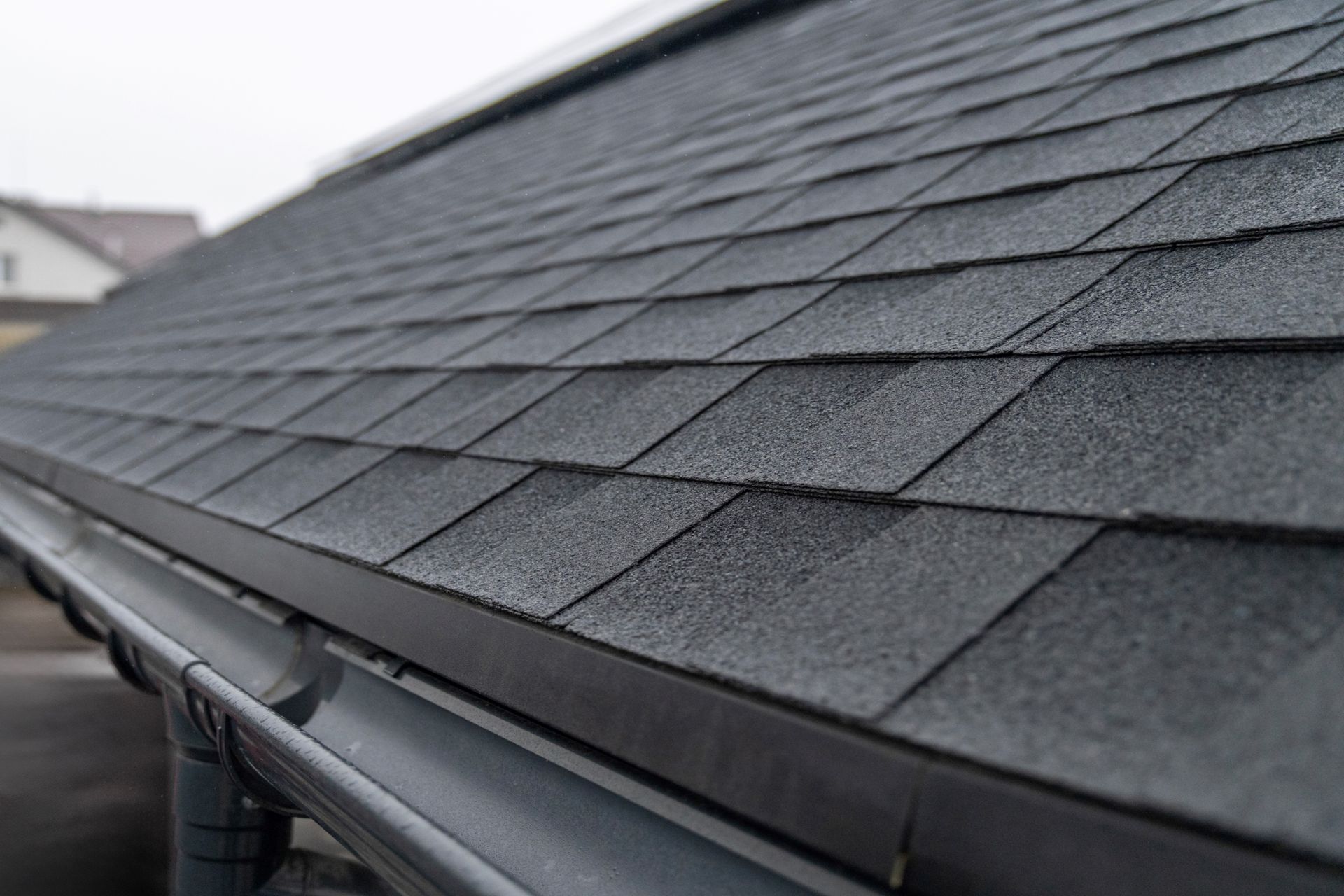
Drainage That Actually Prevents Foundation Problems
Gutter Installation and Protection Systems in Grand Rapids for properties where runoff pools against basement walls
Grand Rapids receives an average of thirty-seven inches of precipitation annually, with spring storms and autumn rains delivering high-volume water that overwhelms undersized or damaged gutter systems. EZPZ Exteriors installs gutters and protection systems that handle Michigan's seasonal runoff patterns, moving water away from foundations before it saturates soil and creates hydrostatic pressure against basement walls. Homes need upgraded drainage when you observe erosion trenches in landscaping below roof edges, basement seepage after heavy rain, or gutters that overflow at corners despite appearing clear of debris.
The system includes seamless gutters sized to match roof square footage and rainfall intensity, with downspouts positioned to discharge away from the foundation rather than directly against it. Hangers spaced closer than standard intervals prevent sagging under snow load weight common during Michigan winters, when ice accumulation can add significant stress to unsupported gutter runs.
Schedule a drainage assessment to identify whether your current gutter capacity matches your roof area and regional rainfall rates.
What Changes After Drainage Systems Work Correctly
Proper gutter installation routes water through enclosed channels to controlled discharge points, typically extending four to six feet from foundation walls through buried drainage pipe or splash blocks that disperse flow across grade. Gutter guards installed during the process keep maple seeds, oak leaves, and pine needles from accumulating in channels, which maintains flow capacity during storms when clogged gutters overflow and dump water directly at the foundation line.
After installation by EZPZ Exteriors, you'll notice soil around your foundation stays firm rather than turning muddy after storms, and basement humidity levels drop because groundwater no longer saturates the soil pressing against below-grade walls. Landscaping mulch stays in place instead of washing into lawn areas, and wood trim at ground level remains dry rather than showing the rot and paint failure that comes from constant splash-back exposure.
The work includes end caps sealed to prevent leakage, inside and outside corner miters that maintain flow without creating turbulence that slows drainage, and downspout extensions that can be positioned flat for mowing or raised during lawn maintenance. Gutter guards use mesh or solid covers depending on surrounding tree canopy, with designs that allow water surface tension to pull flow into the channel while debris slides off the edge.
Answers to Frequent Service Questions
Homeowners considering gutter upgrades typically ask about capacity requirements, guard effectiveness, and how the systems handle Michigan weather conditions.
What determines the right gutter size for your home?
Roof area, pitch angle, and regional rainfall intensity combine to establish required gutter width and downspout spacing, with steeper roofs and larger surface areas demanding six-inch gutters instead of standard five-inch channels.
How do gutter guards reduce maintenance in Grand Rapids?
Mesh or perforated covers block leaves and seed pods while allowing water to enter through surface tension, which prevents the clogs that form when organic debris combines with spring pollen to create dense mats that block flow.
When should you replace rather than clean existing gutters?
Replacement makes sense when sections sag from hanger failure, when rust-through creates holes along seams or at fastener points, or when previous repairs no longer hold because the metal has thinned beyond effective fastening thickness.
Why does downspout placement affect basement dryness?
Discharge points within three feet of foundation walls allow water to soak into backfill soil that stays saturated against basement walls, creating constant pressure that finds cracks and penetrations to enter interior spaces.
What happens during heavy snow melt periods?
Properly sloped gutters continue flowing even when temperatures hover near freezing, moving meltwater away from roof edges before it refreezes into ice dams that back water under shingles and into wall cavities.
EZPZ Exteriors sizes gutter systems based on actual roof measurements and positions downspouts to work with your property's drainage patterns rather than using generic spacing. Request a gutter inspection to identify capacity issues and discuss guard options that match your tree coverage.