
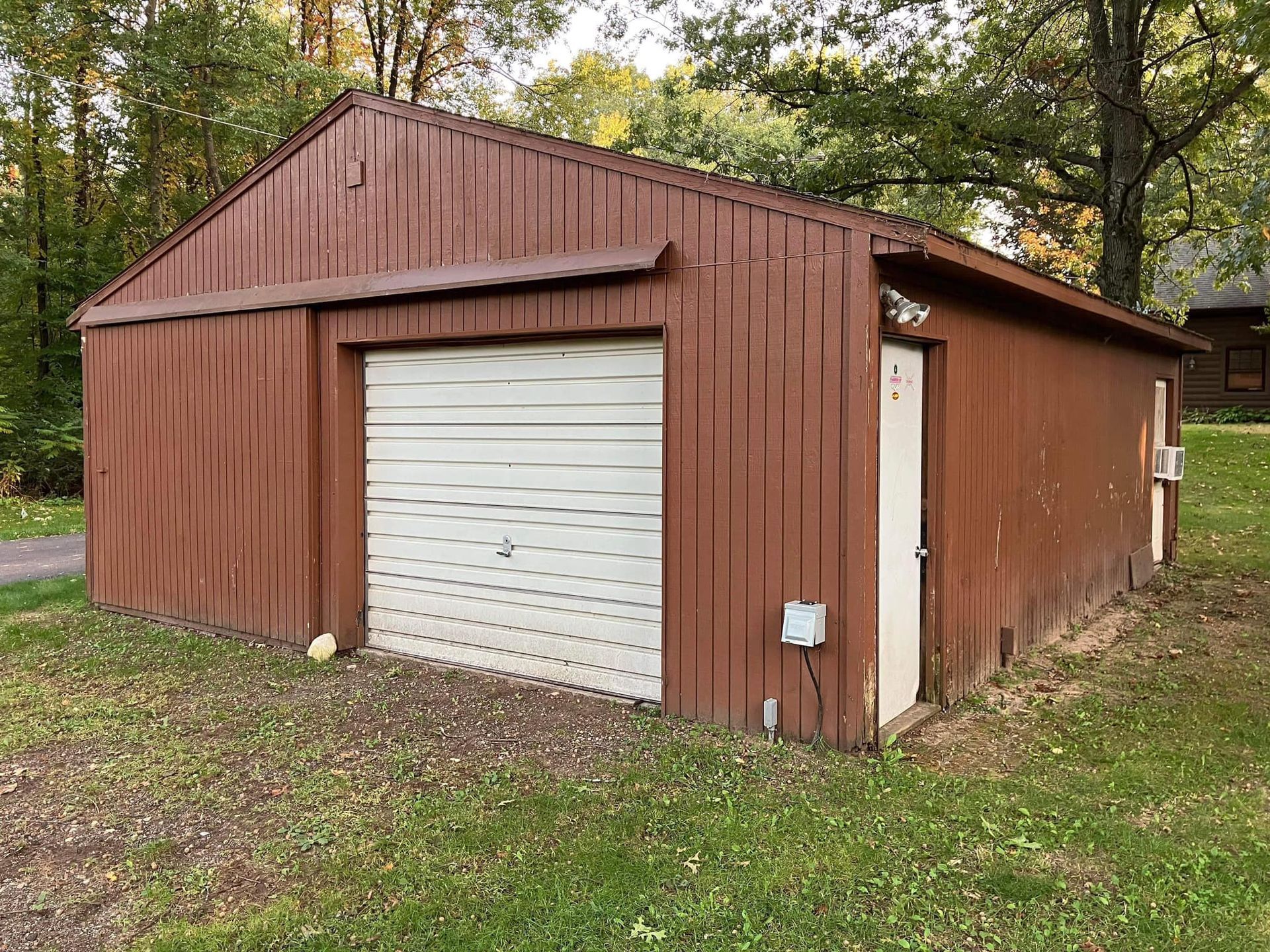
Structures That Handle Workshop and Storage Needs
Pole Barn Design and Construction in Grand Rapids for properties needing dedicated workshop or equipment storage space
Pole barns solve the problem of insufficient garage space or the need for a separated work area where dust, noise, and chemical odors won't affect the main house. These structures use vertical posts set directly into the ground or anchored to concrete footings, creating an open interior without load-bearing walls that would limit how you arrange tools, vehicles, or materials inside. In Grand Rapids, where soil composition and frost depth vary across neighborhoods, the foundation approach adjusts to prevent posts from heaving or settling unevenly as the ground freezes and thaws.
EZPZ Exteriors designs pole barns based on what you're actually storing or building—whether that's a boat that needs 14 feet of clearance, a woodworking setup that requires electrical circuits and dust collection, or simply covered parking for a tractor and seasonal equipment. The structure's size, door placement, and roof pitch are planned around your property's setback requirements and how you'll access the building from the driveway or yard.
Request a pole barn planning estimate to review layout options and discuss the building's intended use.
What You Notice Once the Structure Is Finished
The construction process begins with setting posts at depths that reach below the frost line—typically 42 inches in Grand Rapids—to prevent seasonal ground movement from shifting the frame. Horizontal girts are fastened to the posts to support wall panels, and roof trusses are spaced to carry snow loads common to Midwest winters without sagging or requiring internal support columns that would obstruct floor space.
After completion, you'll have a weatherproof building with wide door openings that don't require maneuvering around tight corners, a concrete floor that drains toward the entrance to keep water from pooling, and walls that block wind without trapping humidity inside. The roof overhang extends past the walls to keep rain from running down the siding and saturating the ground at the building's base.
The project includes the structural frame, roofing, siding, and door installation, along with windows if specified in the design. It doesn't include electrical wiring, insulation, or interior finishes unless those are added as part of a custom build plan discussed during the estimate phase.
Answers to Frequent Service Questions
Before starting a pole barn project, property owners typically want clarity on sizing, foundation methods, and how the building will perform in Michigan's climate.
What size pole barn fits a typical residential lot?
Most pole barns for home use range from 24x24 feet for basic storage up to 30x40 feet or larger for workshops with vehicle bays, depending on local zoning setbacks and how much yard space remains for other uses.
How are the posts anchored to resist wind and ground movement?
Posts are either embedded in concrete poured directly into the hole or bolted to above-grade concrete footings, with the method chosen based on soil drainage and whether the site is prone to water pooling around the foundation.
When is insulation necessary in a pole barn?
If you're running heat or air conditioning, or if you're storing temperature-sensitive materials, insulation prevents condensation on metal panels and reduces the energy required to maintain a stable interior climate.
What door styles work best for equipment access?
Sliding doors on exterior tracks handle wide openings without requiring clearance space inside the building, while overhead doors operate like garage doors and seal more tightly against weather when closed.
How does the roof slope affect snow management in Grand Rapids?
A steeper pitch sheds snow more readily, reducing the load on trusses during heavy winter storms and preventing ice dams from forming along the eaves where meltwater can back up under shingles.
EZPZ Exteriors customizes pole barn projects to match property needs and intended use. Arrange a consultation to discuss building dimensions, foundation options, and door placement for your site.